


Archive for the ‘Marlin Tips & Tricks’ Category
‘Tis the Season! Tips for a Smooth Holiday
The holidays are coming, bringing together family, friends and a few plumbing emergencies. A majority of Americans take part in holiday parties with 11 or more guests around Thanksgiving and Christmas. These extra guests put a serious strain on a home’s plumbing system, which results in more emergency calls to plumbers. The last thing you want to do is call a plumber before, during or after a big holiday gathering.
Big holiday meals require a busy kitchen. Too much grease and food finds its way into the kitchen drain. Foods that shouldn’t go into the garbage disposal sometimes find a way there. Holiday guests also equate to extra showers, bath and lots of extra toilet flushes. It all adds up to potential plumbing disasters.

Pipes clog because of a gradual buildup of grease, hair, soap or food particles. All it takes it one major overload, like a house full of guests, to exasperate the situation and create a clogged drain. Follow these tips to avoid a plumbing disaster.
In the kitchen:
- Avoid pouring fats or cooking oils down the drain because liquid fats solidify in the pipes and create clogs.
- Wipe congealed grease from pots.
- Never put hard-to-grind, stringy, fibrous waste into the garbage disposer (poultry skins, carrots, celery, pumpkin pulp or banana peels). The disposer can’t sufficiently grind these items and they will clog your sink drain.
- Run cold water down the drain for about 15 seconds before and after using the garbage disposal to flush waste down the main line.
- Turn on the disposal before adding food debris.
- Before putting dishes in the dishwasher, scrape food bits off the plates, pots and pans. Winter/holiday cooking can be tough on dishwashers.
- Run the dishwasher and washing machine at night or at off times to conserve water temperature and pressure for your guests.
In the bathroom:
- Plan ahead, spread out showers throughout the day; wait 10 minutes between showers rather than taking one right after another.
- Turn up the water heater slightly to retain hot water. To avoid scalding, do not exceed 125°F.
- If shower pressure is weak, pour a cup of vinegar into a plastic bag, place it over the showerhead, and soak. Use a twist tie to hold it in place overnight. In the morning, remove the bag and use an old toothbrush to gently scrub off the mineral deposits to help restore water flow.
- Provide a trash bin in the bathroom so the toilet isn’t used as a garbage can. Never flush cotton swabs, cotton balls, hair, facial scrub pads, diapers, sanitary products or similar items down the toilet. These items will not easily dissolve and are responsible for most clogs.

This are simple tips and very easy to do. A little pre-holiday thought and planning can go a long way in ensuring that your gatherings and celebrations go smoothly and are problem-free.
For more information on how we can help you save BIG this season, contact us NOW: (602) 470-1040

Connect With Us at Marlin Services





Where Are Your Water Valves?
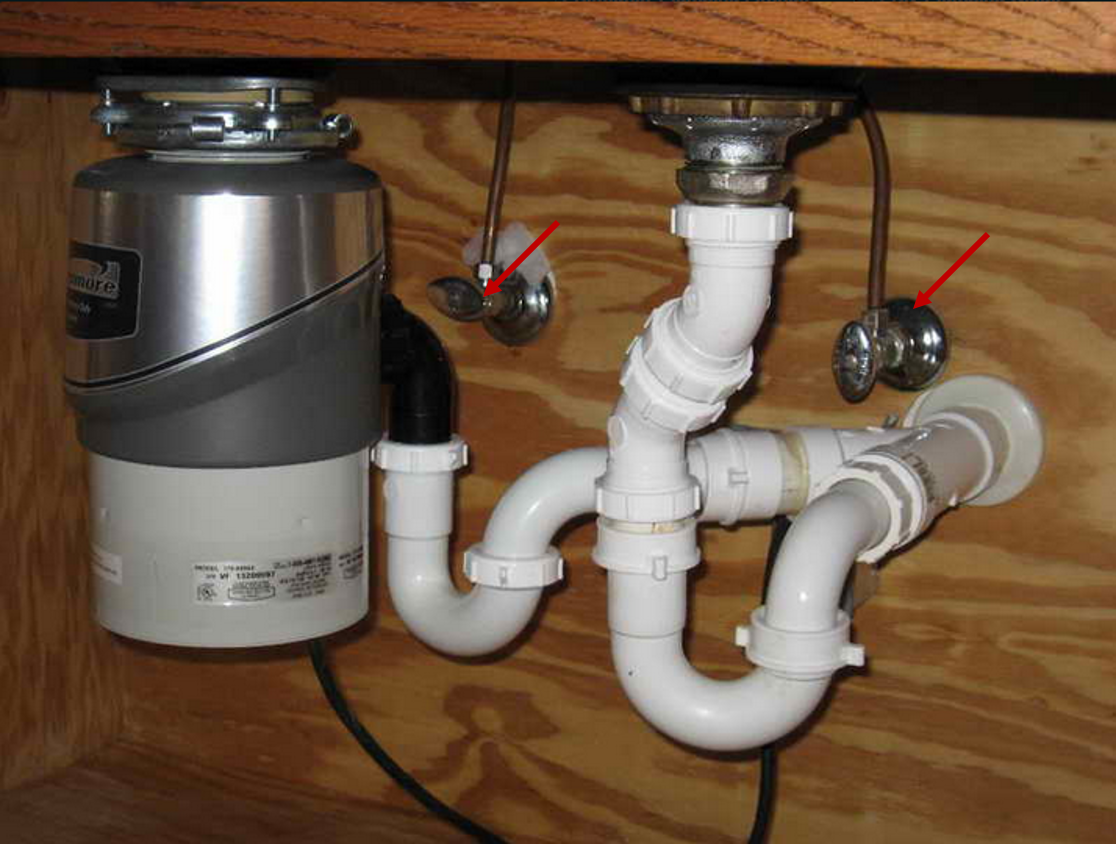
In the case of an emergency like a leaking faucet or a bursting pipe in the bathroom or kitchen, you can turn the water valves to stop the flow of water which stops the water from getting all over the house. It is also a good idea to teach children, who are old enough to stay home by themselves, where the valves are located.
Each sink in your house has a water valve. There are water valves for the toilets in your house as well. And your washing machine also has water valves. The question is – do you know where they are located should you need to turn them off in an emergency?
We are showing you the individual water valves for the sinks, toilets and washing machine. There is a main house valve, when you need to turn the water off in the entire house. However, shutting off these valves, directly connected to the fixture will give you time to call a professional plumber and get him to your house to fix the problem.
When turning off these water valves, you want to turn clockwise (or to the right). When turning the valves back on, turn counter clockwise (or to the left). Typically newer valves will require only a ¼ turn to close however some valves will require several turns to close. Unfortunately some of the older valves requiring several turns have a high failure rate and may not actually stop the flow of water. It is recommended that these valves be replaced with a ¼ turn valve.
Under the Kitchen Sink
Here are a couple of photos that show 2 different types of turn-off valves. This will help you recognize them, if you have one or the other. They are easy to locate when you look in the cabinet under the sink.

Under the Bathroom Sink
As with the kitchen sink, they are easy to locate in the bathroom as well. These samples are open, pedestal type sinks but when there is a cabinet in the bathroom the valves are still easily identifiable if you need to turn off the water quickly.


Washing Machine Water Valves
A burst washing machine hose can discharge 500 gallons of water in one hour, which will cause flooding problems quickly. The water valves are easy to locate. It may be behind the washing machine or it can be located above the washer. See the two samples below.


Toilet Water Valves
They are located right behind the toilet. You will have to get down on hands and knees to reach it but it is easy to find.

Hopefully you will not have an emergency with leaking faucets or burst pipes, but if you do, you know where to find the valves to turn off the water.
For more information on how we can help you save BIG this season, contact us NOW: (602) 470-1040
Connect With Us at Marlin Services
Fall Tips for Staying Warm

In the summer, you do all you can to stay cool in the hot summer days of Arizona. In the fall and winter, even though we do not get bone-chilling cold days like the east coast and mid-west, you still want to get the most out of your HVAC system (air conditioner in the warm weather and furnace in the colder weather). You want to save energy and be sure the heat is not getting out, causing your utility bills to skyrocket. There are simple things you can do to stay warm and save energy:
- Install a programmable thermostat – If you haven’t done so already, consider a programmable thermostat. As you do in the summer, you can control the temperature in your house by reducing the energy usage during the daytime hours, while your home is empty during school and work time.
- Replace your filters each month – As you do in the summer months, clean air filters will allow your heating system to work well, as efficiently as possible and even help extend the life of your system. With an efficient system, this will help you save money on monthly utility bills.
- Schedule your bi-annual preventive maintenance servicing – A great time to do your preventive maintenance servicing is when the weather is not too hot or too cold, so that you prevent issues that may arise. You don’t want to be forced to call your HVAC professional in the 100+ degree weather or, conversely, on the coldest day of the year.
- Seal air leaks – You want to be sure no heat is escaping through windows, doors or at the base of doorways.
- Keep curtains and shades open during the day – And close them at night. Take advantage of the natural sunshine during daytime hours when you have the thermostat set for minimal heat.
- Change thermostat batteries – The change of seasons (fall and spring) are a great time to change the batteries in the thermostat to be sure they are operating properly.
As you can see, these steps outlined above are simple. They can make a difference in your comfort at home.
For more information on how we can help you save BIG this season, contact us NOW: (602) 470-1040
Connect With Us at Marlin Services
How to Keep Your Washer and Dryer Running at Their Best – They Need Some Love Too!
One word says it all – maintenance. In order to keep your washer and dryer running as well as it should be, and to get the most out of your purchase, proper and regular maintenance is key. It is also what will help you avert some costly “adventures” such as flooding and fire.

It’s easy to forget about your washer and dryer because they are usually tucked away in the back of the house somewhere, out of site and out of mind. And there are certain times of the year, like the recent back-to-school time, where your appliances get a real good workout. Lots of sports uniforms, dance clothing, sweatshirts, sweaters, sweatpants and school clothing – all need a good washing.

Some simple steps you can take to care for your washer and dryer:
- Keep the washer door open after every load – it allows the moisture inside the drum of the washing machine to evaporate.
- Set the water level at the proper setting for the amount of clothes being washed – it is hard on a washer’s motorized components when not at the correct setting.
- Check your manufacturer’s recommendations for the amount and type of detergent you should be using – you can actually damage some models by using the premeasured pods.
- Empty clothing pockets – items left in pockets have the potential to damage the machine’s pump.
- Don’t overload your washer and dryer – it will cause your appliances to perform inefficiently. The right size loads will extend the life of the motor and use less energy.
- Check the hoses connected to your washing machine – if it’s bent and your washing machine is older, you may want to replace those hoses (recommended every five years) to prevent a leak which can cause a flood. Check for tight fittings, bulges, cracks, and leaks. Tighten loose fittings. Replace damaged hoses.
- Replace the washer’s rubber hoses – steel-jacketed hoses won’t split open and are available from Marlin.
- Replace vinyl dryer exhaust ducts with metal ductwork – it will help to reduce fire hazards.
- Regularly inspect visually the dryer exhaust duct – you are looking for crimps, obstructions, and unnecessary bends.
- Clean out the lint filter – before (or after) every dryer load.
- Wash the lint filter with detergent every 3 months – it will help remove invisible chemical residues that can restrict airflow.
Very much like a car, bike, a musical instrument or your air conditioning system, if you take care of your washer and dryer it will work efficiently and well and have a longer life. Thoughtful maintenance will go a long way in saving you money during the life of your appliances.
For more information on how we can help you save BIG this season, contact us NOW: (602) 470-1040
Connect With Us at Marlin Services
Should We Repair or Replace Our A/C System?
This is a question we get quite often. The answer is not a quick yes or no, however. There are several good reasons you should opt to repair you’re A/C system. There are also several good reasons why replacing your system makes good sense, as well. We have discussed this in the past, in both our blog and in our social media posts. It is well worth repeating. Of course, if you have any questions at all about this topic, call us. We are happy to answer all questions!
Let’s look at the answers, side-by-side. This should be helpful to you.

A couple of other things to consider:
If your unit is less than five years old there’s a good chance that the parts will be covered under warranty.
Although you may have a unit that has needed no repair or minimal repair for the past 10 years, if you are starting to see higher energy bills, it just may make sense to replace the unit. The A/C systems available today are much more energy efficient and these systems did not exist 10 years ago.
Check out this list from ENERGYSTAR.GOV, which provides good information on reasons to replace:
http://www.energystar.gov/index.cfm?c=heat_cool.pr_checklist_consumers
Check out the Home Energy Yardstick to assess your annual home energy usage:
https://www.energystar.gov/index.cfm?fuseaction=HOME_ENERGY_YARDSTICK.showGetStarted
Replacing an A/C is never fun or on top of anyone’s list of things you enjoy purchasing. Arizona’s hot summers make it necessary to think ahead and be prepared with a well operating system. If you are unsure what to do, ask us! We are happy to help.
For more information on how we can help you save BIG this season, contact us NOW: (602) 470-1040
Connect With Us at Marlin Services
Don’t Put EVERYTHING in the Garbage Disposal!
Everything we put into a garbage pail should be able to go into the garbage disposal, right? No…that is not right! Unless you want one of our plumbers to come and visit you to fix your garbage disposal, you do need to consider what can and cannot go in a garbage disposal. After all, it is so convenient to have a garbage disposal…isn’t it difficult to live without, once you’ve had one?  Here is a list that goes in the category of “do not put in the garbage disposal”:
- Anything that will solidify in the drain, over time – This includes oil, grease and fat.
- Pasta – Because it expands with contact with water, it can clog your drain over time. If it doesn’t clog your drain, it will fill up the disposal trap.
- Rice – For the same reasons as pasta, you do not want to put rice in the garbage disposal.
- Fruit pits or seeds – Stay away from hard pits and seeds, like peaches, plums and cherries, as they will damage the garbage disposal.
- Starchy and stringy vegetables – They can easily wrap around the blade so you want to be sure you don’t put vegetables like celery, corn husks, asparagus, lettuce and potato peels down the garbage disposal.
- Coffee grounds – They may look harmless and like they go down the drain easily, but they can get caught in the disposal trap.
- Bones – They are too strong to handle and they will get caught in the garbage disposal (fish bones are fine to put in the disposal).
- Garbage and non-food items – A garbage disposal is not really designed for things like paper, balloons, styrofoam or cigarette butts.
- Anything in bulk – It is best to feed small amounts of food and then grind it up before adding more small amounts.
We did not put these in the list, because they should be “no-brainers”…but be sure you do not put metal objects (like utensils) and even more so, your hands in the garbage disposal. No explanation necessary…just don’t do it! Some things you can do that are helpful in maintaining your garbage disposal:
- Run the cold water 30-60 seconds after you have deposited the waste down the garbage disposal. It will help keep the motor, bearings and shredder assembly from overheating and will carry the food waste down the sewer line.
- Cut large items into smaller pieces. However, if you find you have a large amount to dispose of, you should consider using the trash instead.
- Clean the garbage disposal regularly. Throwing ice down the drain will help knock off debris build-up.
- Pour vinegar down the drain and let it sit for about an hour to remove scale. Follow with hot water. A great suggestion to combine the last 2 points is to use vinegar ice cubes.
Taking a less is more approach is always a smart way to think when using your garbage disposal properly. This will help prevent unwanted repairs that will happen much earlier than you expect. The average lifespan of a garbage disposal is 12 years, as long as it is maintained properly and not over-used. Be sure to take care of your unit and it will be around a long time!
For more information on how we can help you save BIG this season, contact us NOW: (602) 470-1040
Connect With Us at Marlin Services
BEAT THE HEAT with Blinds, Awnings, Curtains and Shades

In the hot summer months in Arizona, you will surely be using your air conditioning every day. No one here looks forward to the utility bills that come with every day A/C use but there’s no way to get around using your cooling system throughout the summer on a daily basis. Therefore, in order to keep your utility bills manageable, it’s smart to look at other things you can do to help keep your home as cool as possible without turning your thermostat down so low that it raises your bills.
Looking at your windows and seeing if they are “dressed” well to keep your home cool is a great place to start. It is something very simple but can make a difference for you and you’re A/C use. Do you utilize shades, blinds, curtains and drapes, reflective window films and awnings in your home?


- Shades – Mount them as close to the glass as possible within the window frame, creating a sealed space and keep them drawn all day while at work and school.
- Blinds – According to the Dept. of Energy (DOE), when your blinds are completely closed, highly reflective blinds can reduce heat gain by around 45 percent. There is some flexibility to control light and ventilation by adjusting the slats, although it is more difficult to control heat gain with blinds vs. shades.
- Awnings – According to the DOE, you can reduce solar heat gain by 66%-75% (south-facing windows and west-facing windows, respectively) with window awnings. Light color awnings reflect sunlight best. And in the winter, you can retract the awnings to do the opposite and help gain heat by letting the sunlight in the windows.
- Curtains and drapes – Heat gain can be reduced as much as 33% with medium-colored draperies with white-plastic backings, according to the DOE. As with blinds, hang the curtains as close to the window as possible.
- Reflective window films – This is a great way to allow the light in and keep the heat out. Added benefits are helping to prevent fading of your furnishings, and reducing the harmful UV rays from the sun.
Window coverings combined with other steps – keeping doors closed, using a programmable thermostat and utilizing ceiling fans can all help with reducing energy bills while keeping your home as cool as you like it to be. These are all simple steps and everyone can do it!
For more information on how we can help you save BIG this season, contact us NOW: (602) 470-1040
Connect With Us at Marlin Services
You Are Leaving For Vacation
 We are getting close to the last day of school for the kids and summer vacation for the whole family. This means your home will be empty. There are things you should do before leaving the house for the airport on your way to your favorite beach or European city. Remember, you don’t want to be paying for energy and water bills that you are not using while you are away. In addition to saving money, you want to prevent things like coming home to a flooded house because a water hose burst.

- Shut off water lines to washing machines to avoid flooding problems. If a washing machine water hose bursts while you are away, it can result in thousands of dollars of damage. And dependent on when it happens, in the beginning or end of your vacation, this can be a factor in how much damage is done. It can damage all of the appliances, flooring and drywall and furniture.
- In addition to the washing machine, consider turning off the water supply to your to dishwashers, ice-makers and toilets. This will help prevent unexpected problems and help with your water bill as well.
- Do not leave the dishwasher, dryer or washing machine running when leaving the house. This is especially true if no one will be home or available to check if these appliances shut off.
- Make sure all appliances are turned off, stove, oven, coffeemaker, etc. This can help with your energy bill as well as with safety of your home.
- Be sure the gas stove is turned off. It is easy to overlook and can be dangerous if left on, unattended and for a long period of time.
- Unplug all electronic items. A great tip is to plug all your electronic devices to a power strip so, with one flip of the switch, you can turn off or unplug all items at one time.
- Lower, don’t turn off a water heater. Like air conditioners, water heaters temperatures can be set for the best temperature while you are away and not utilizing hot water in your home. Do not completely shut off a water heater while away as it can cause serious complications when turned back on. Lower the temperature to save on energy and a little money.
- Make sure all doors and windows are locked. This seems like a no-brainer but it is another one of those things that can be easily overlooked.
- Make Sure Toilets Are Not Running. As we learned in one of our April blog posts, a running toilet can lead to a very high water bill. (You can check out the blog post for additional information at http://marlinservices.wordpress.com/2014/04/08/running-toilet-very-large-water-bill/.)
- Close the window treatments on your windows. Especially during the summer, you want to help control the temperature in your house as best as you can.
- Set your programmable thermostat for “vacation temperature”. Set your thermostat while you are away at one temperature which is higher than when you are home. You do not want a very cool home when no one is home to enjoy it. It will result in an unnecessarily higher energy bill.
Now it’s time to enjoy some great family vacation time!
For more information on how we can help you save BIG this summer, contact us NOW: (602) 470-1040
Connect With Us at Marlin Services
Tips for Saving Money on Heating in the Winter Months
 We have spoken about programmable thermostats because it’s a great way to control the temperatures in your house and ultimately, it helps to reduce the use of unnecessary energy and saves money. There are so many other very simple steps you can take to save energy and therefore, save money. Let’s look at many of them.
- Programmable Thermostats – We’ll start there because it’s a great tool to control temperatures when you don’t need the heat to be running at a high temperature – when you are out at school and work during the day and while you sleep at night, as a couple of examples.
- Turn Down the Thermostat – For every degree that you turn down to within the 60-70 degree range, you can save 5% on your energy bill.
- Replace Air Filters Regularly – Keeping your filter clean allows for the energy to flow more easily, taxing your system less.
- Reduce the Water Heater to 120 Degrees – Keeping the setting at 120 degrees can save 7-11% annually on your heating bill. The EPA recommends setting your water heater to 120 degrees to help prevent scalding and to save energy.
- Seal Leaks – Seal windows, doors, pipes, vents or electrical conduits that go through the wall, ceiling or floor.
- Replace Old HVAC System with an EnergyStar Product – When it’s time for a new system, consider replacing it with a new EnergyStar unit. The same goes with household appliances.
- Proper Maintenance – Have your system checked once to twice a year on a regularly scheduled maintenance program. A system that is running efficiently will save you money.
Here are some ideas that are completely free, quite simple and can also help save on the energy bill:
- Let the Sun In – During the day when the sunshine is at its best, open the blinds and shades and let the sun in.
- Keep the Damper Shut – If you have a wood burning fireplace, keep the damper closed when not in use. If you decide not to use the fireplace at all, place a piece of rigid insulation in the damper to seal it off tightly. It can be purchased in any hardware store.
- Keep the Heat Inside – Be sure doors and windows are closed when the heat is on.
- Bundle Up – Wear socks, sweaters and other warm items when you are a little cold. The shorts can wait for the Arizona summers.
- Keep Windows Covered When It’s Dark Out – In the daytime, let the sunshine in. When night falls, close the blinds and shades to keep the cold outside.
- Check the Exterior of Your Heating Unit – Be sure your HVAC unit is clear of grass, dirt, leaves and anything else that could be surrounding it. Hose it down to clear out the debris.
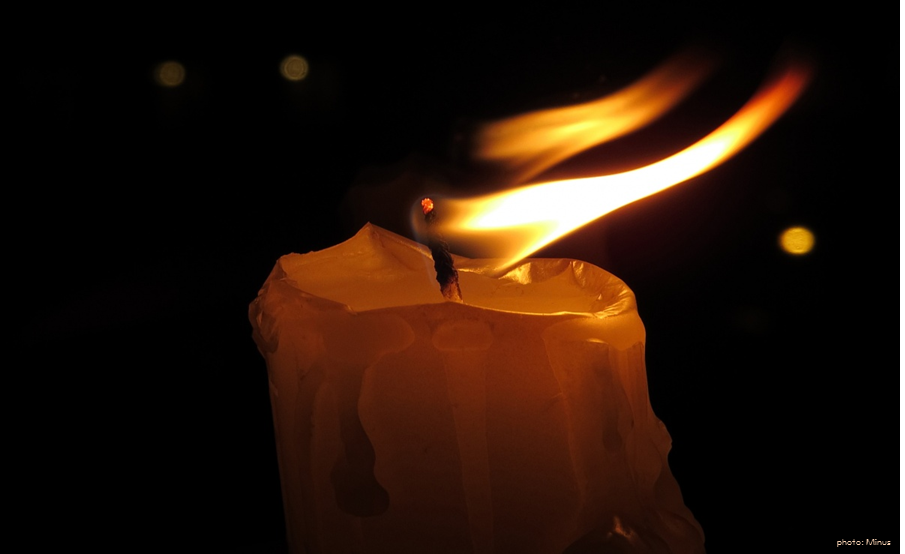
- Do a Little Detective Work – Light a candle and walk around the house, near doors and windows and see if you see the flame flickering. If it flickers, you have discovered leaks.
Get started to energy savings. It’s not difficult to do!
For more information on how we can help you save BIG this season, contact us NOW: (602) 470-1040
Connect With Us at Marlin Services
Energy Savings Tips for Your Water Heater
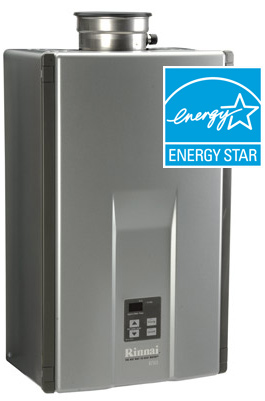 Your water heater works hardest in the winter and cooler months. Think about how long you stand outside your shower waiting for the hot water to flow through to you.
During these months, you want to take care to be aware of things you can do to be more efficient. There are simple steps you can take to help with reducing your water bills and saving energy.
Realistically, there are 4 ways to work towards energy efficiency of your water heater:
#1: Reduce your hot water usage and demand.
- Install low-flow showerheads and faucets.
- Repair leaky faucets.
- Take shorter showers and eliminate baths.
- Replace older dishwashers and clothes washers with newer, modern energy-efficient models.
#2: Turn down the thermostat on your water heater.
- Setting the thermostat at 120 can save 6-10% annually on energy costs, while having enough hot water for showers and running the dishwasher.
#3: Insulate your water heater.
- By covering your water heater with a blanket or jacket, you can save 4-9% on energy cost.
- With this extra insulation of your water heater, you can reduce standby heat loss by 25-50%.
#4: Replace your current water heater with a new, more energy-efficient model.
- If you are purchasing a new water heater, look for one that is ENERGY STAR Qualified.
For further information on this subject, check out these websites:
http://www.houselogic.com/home-advice/water-heaters/water-heater-energy-saving-tips/
http://www.srpnet.com/energy/powerwise/energysavingstips.aspx#waterheating
http://energy.gov/articles/new-infographic-and-projects-keep-your-energy-bills-out-hot-water
http://homerepair.about.com/od/plumbingrepair/ss/hwh_tips_2save.htm
http://www.thisoldhouse.com/toh/how-to/intro/0,,20351985,00.html
For more information on how we can help you save BIG this season, contact us NOW: (602) 470-1040
Connect With Us at Marlin Services


